AI Toolsen
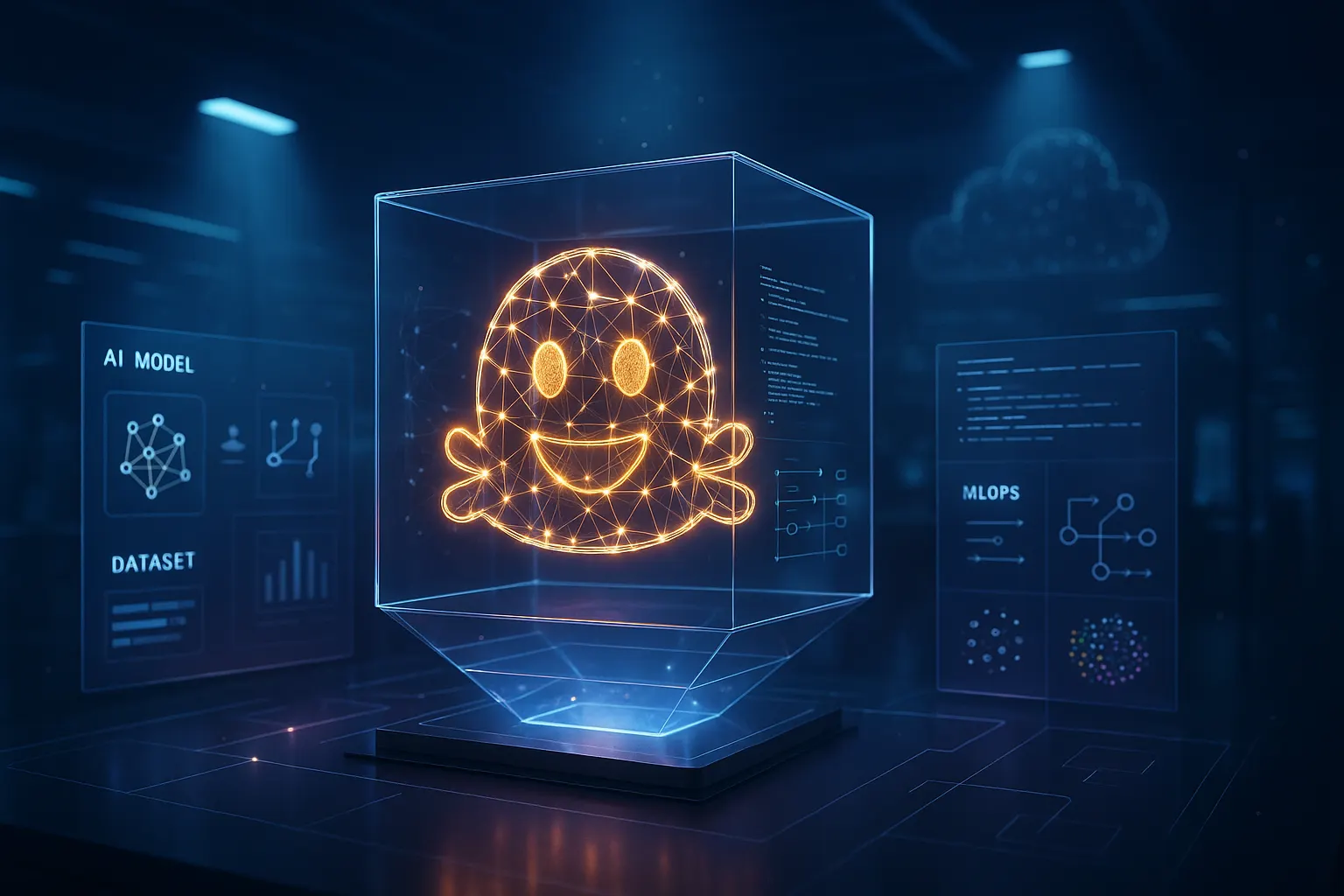
How Hugging Face Became My Go-To Platform (And Why It Should Be Yours)
A practical tour of the Hugging Face ecosystem — models, datasets, Spaces, Inference — and how to use it from prototype to production.
Read
AI agents and RAG systems, workflow automation, and healthcare-systems integration (HL7, FHIR) — engineered to be reliable, secure and maintainable.

Mohamed Amine Charif
AI · Automation · Software
Tools & platforms I build with
I design and deliver software and AI systems end to end — from gathering requirements with your team to running in production. Six-plus years across Canada and internationally, mostly on AI applications, workflow automation and healthcare-systems integration.
I have also taught at university level and run professional training on programming, AI and automation — so what I hand over is documented and explainable, not a black box.
The priority is systems that keep working: modern, well-tested code; clear architecture; security and maintainability treated as requirements, not afterthoughts.
The tools and domains I work with every day to ship dependable systems.
Java, Python, JavaScript
LangChain, Ollama, OpenAI API, AI Agents, LLM
PostgreSQL, MySQL, FileMaker, ChromaDB
n8n, Workflows, REST APIs, Integrations
HL7, FHIR, Data Migration, Interoperability
Cloud (AWS, Azure), Docker, CI/CD, APIs
We map the workflow, the constraints and the data. I clarify what success looks like before a line of code is written.
Architecture, integrations and a clear plan — chosen for reliability, security and long-term maintainability.
Iterative delivery with tested, documented components. You see working software early and often.
Containerised deployment, CI/CD and monitoring — plus training so your team owns the solution.
A conversational agent that answers from a company's own documents and acts on its internal APIs — running entirely on-premise so no data leaves the building.
→Instant answers for staff and customers, no per-token cloud bill, and full data privacy from local model hosting.
An integration engine that receives medical-availability slots from clinics in three different formats — native JSON, FHIR R4 bundles and HL7 SIU — normalises them, resolves the identifiers, and lands them in the booking system for the CRDS.
→One endpoint that any provider can send to, whatever their format, with identifier resolution, de-duplication and per-slot error reporting.
A Java service that turns hospital data — HL7 v2, CSV, JSON — into validated FHIR R4 bundles (Patient, Encounter, Observation, Practitioner), later repackaged as a Spring Boot microservice.
→99% conformance to FHIR profiles and a clean, independently deployable service that analytics and partner platforms can consume.
A rebuild of an n8n email-triage flow that hallucinated. Deterministic code now handles the rules; the LLM only makes the fuzzy judgement call, with a strict schema and a human review queue behind it.
→No more malformed output or invented values: the model can't choose a priority, a CC address or an SMS on its own — code derives all of that from a validated decision.
A self-hosted Node.js / TypeScript backend that replaces Supabase for React apps generated with Base44 — JWT auth, a dynamic REST API, sandboxed Deno functions and an automated deploy CLI.
→In production for multiple clients on both Windows Server and Linux, with FileMaker, SMTP and LLM (Anthropic / OpenAI / Ollama) integration built in.
A web portal for a university's PhD administration — profiles, supervisors, milestones, defenses and documents — with automated annual re-registration and report generation.
→One system of record replacing scattered spreadsheets and email, with re-registration and reporting that used to be manual now automated.
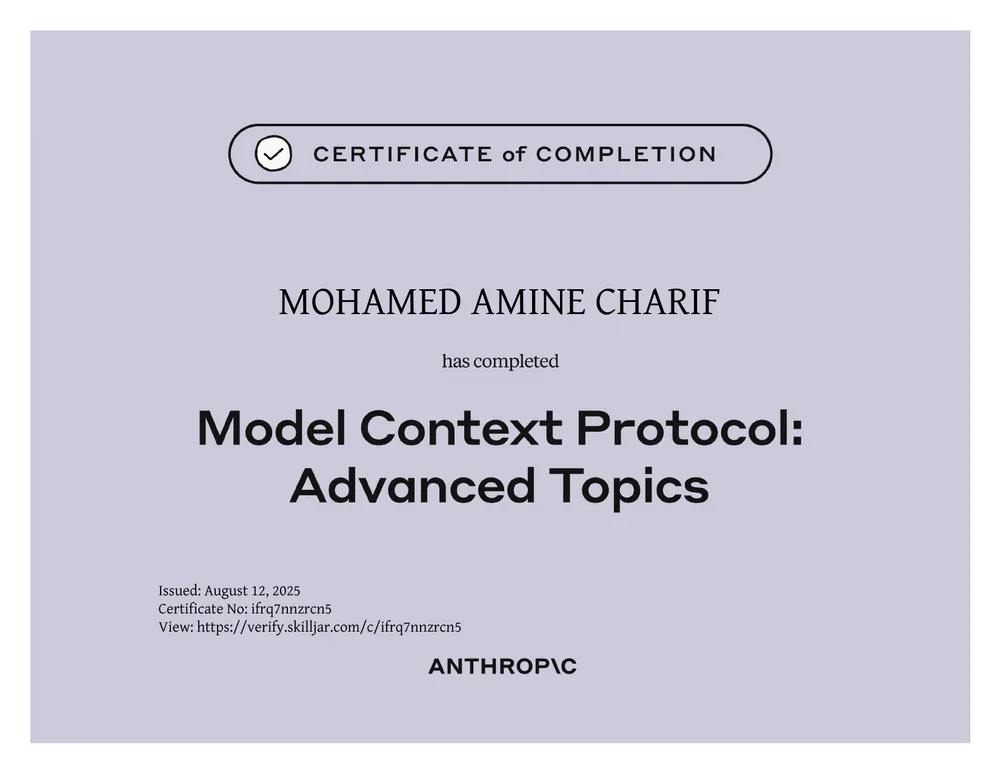
Anthropic · 2025

HL7 International · 2025
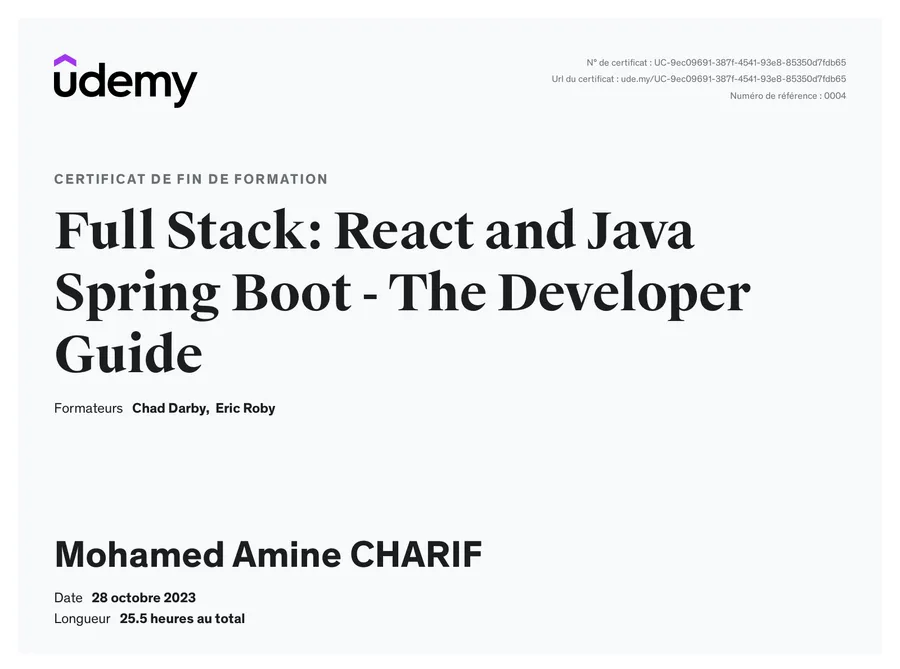
Udemy · 2023
Udemy · 2023
Udemy · 2023
A practical tour of the Hugging Face ecosystem — models, datasets, Spaces, Inference — and how to use it from prototype to production.
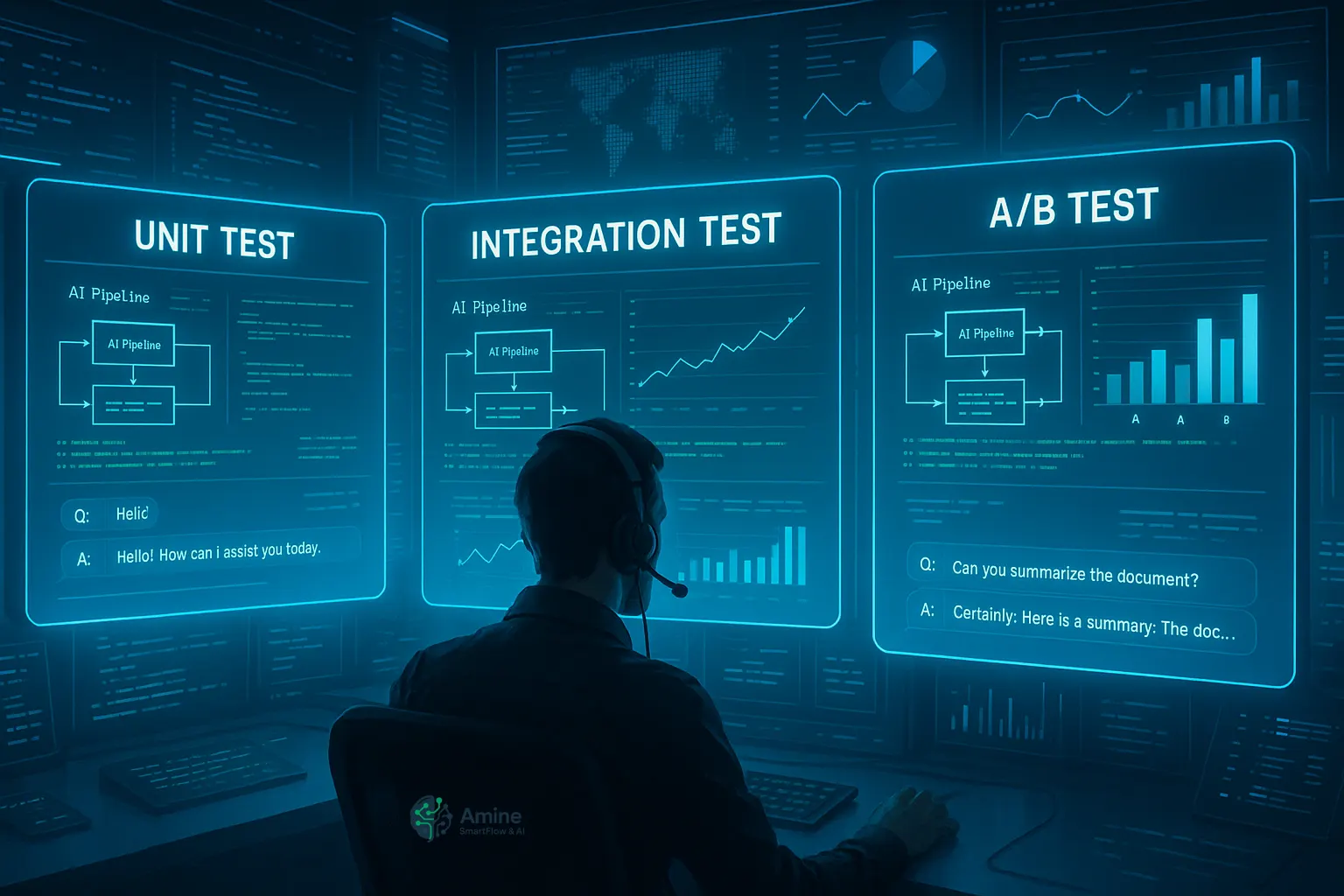
How to test probabilistic AI systems — what unit and integration tests can still catch, plus eval sets and A/B testing for model behaviour.
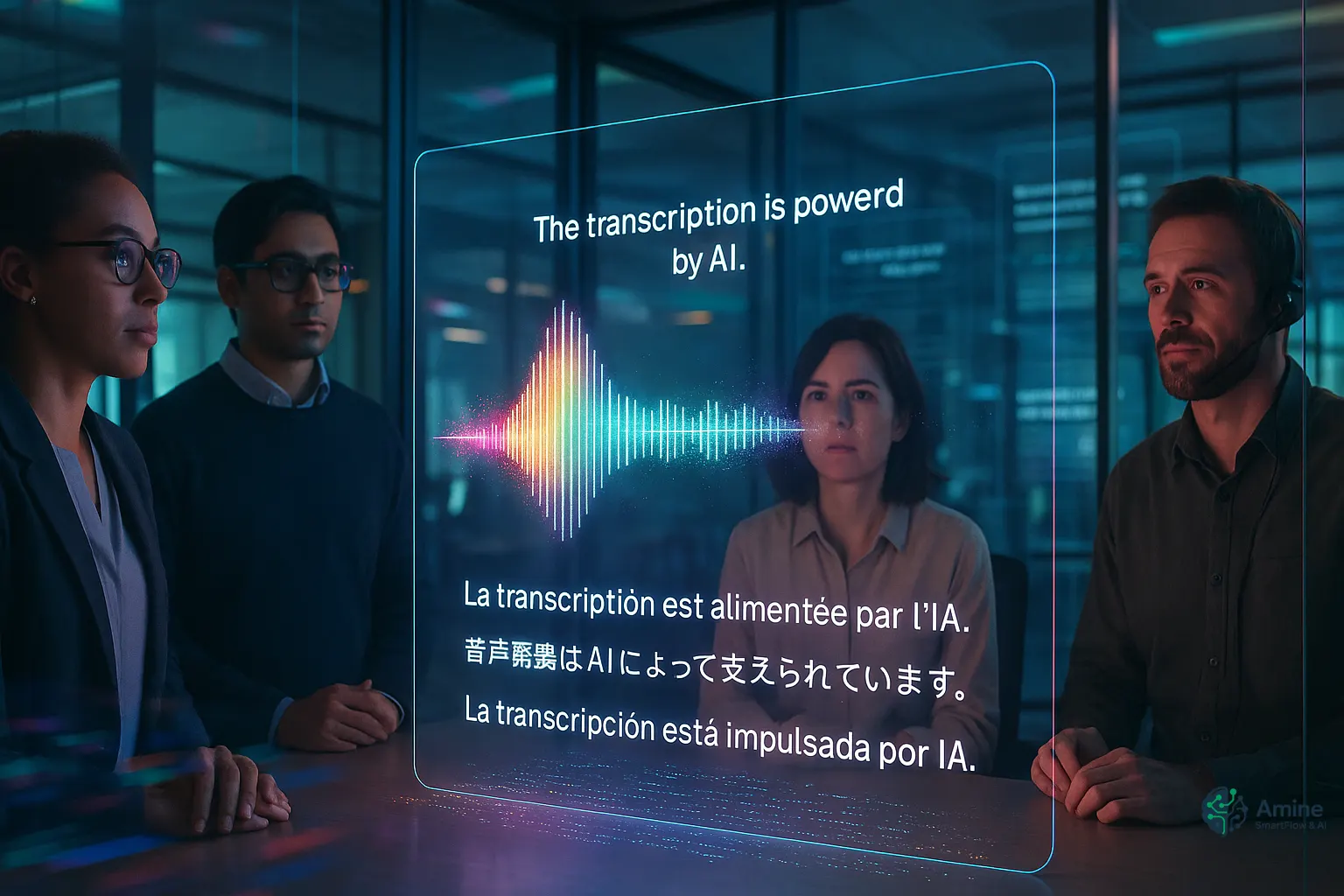
How Whisper handles speech-to-text across languages and noise — model sizes, accuracy, running it locally, and building a transcription pipeline.
Describe the workflow you want to automate or the system you want to build. You'll get a straight assessment — whether I can help, and what it would take.
Site assistant
Answers from this site — articles, services and case studies
AI-generated · may be imperfect