AI Toolsen
How Hugging Face Became My Go-To Platform (And Why It Should Be Yours)
A practical tour of the Hugging Face ecosystem — models, datasets, Spaces, Inference — and how to use it from prototype to production.
Lire
39 articles pratiques sur les LLM, le RAG, les agents, le MLOps, la sécurité et l'automatisation des flux — en anglais et en français.
A practical tour of the Hugging Face ecosystem — models, datasets, Spaces, Inference — and how to use it from prototype to production.
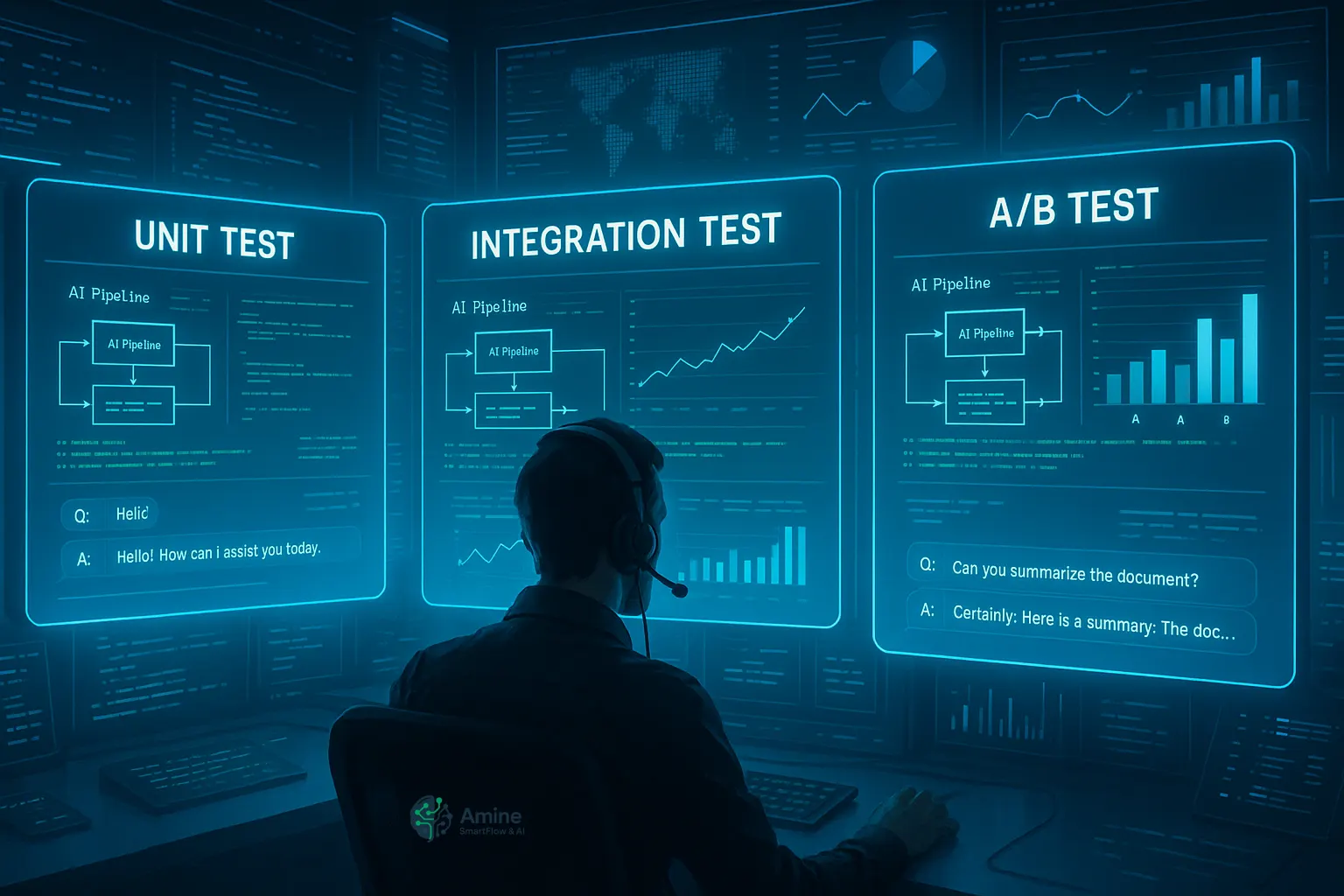
How to test probabilistic AI systems — what unit and integration tests can still catch, plus eval sets and A/B testing for model behaviour.

How Whisper handles speech-to-text across languages and noise — model sizes, accuracy, running it locally, and building a transcription pipeline.
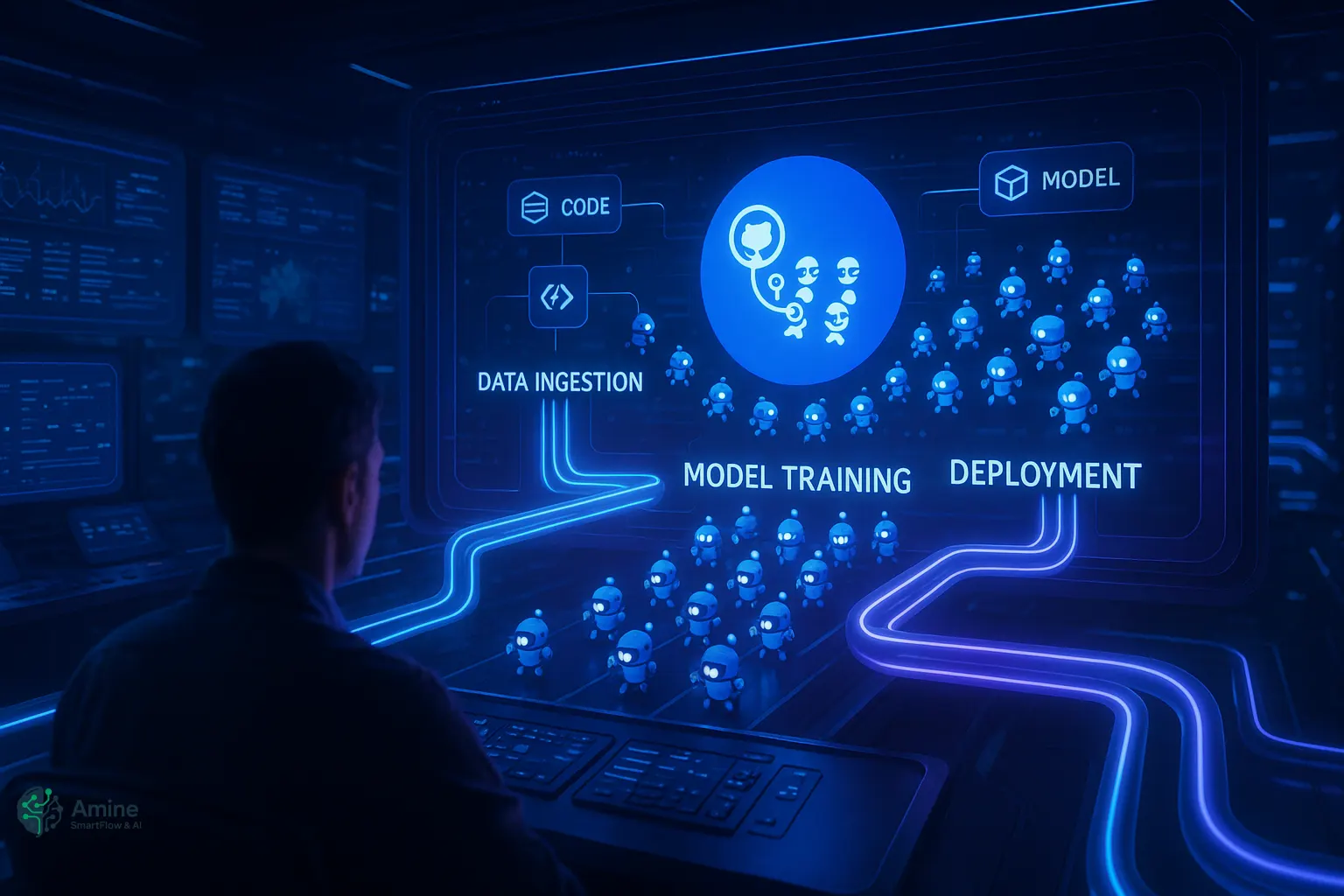
Build an ML CI/CD pipeline with GitHub Actions — automated testing, model validation, versioning and deploy — so shipping models stops being manual.
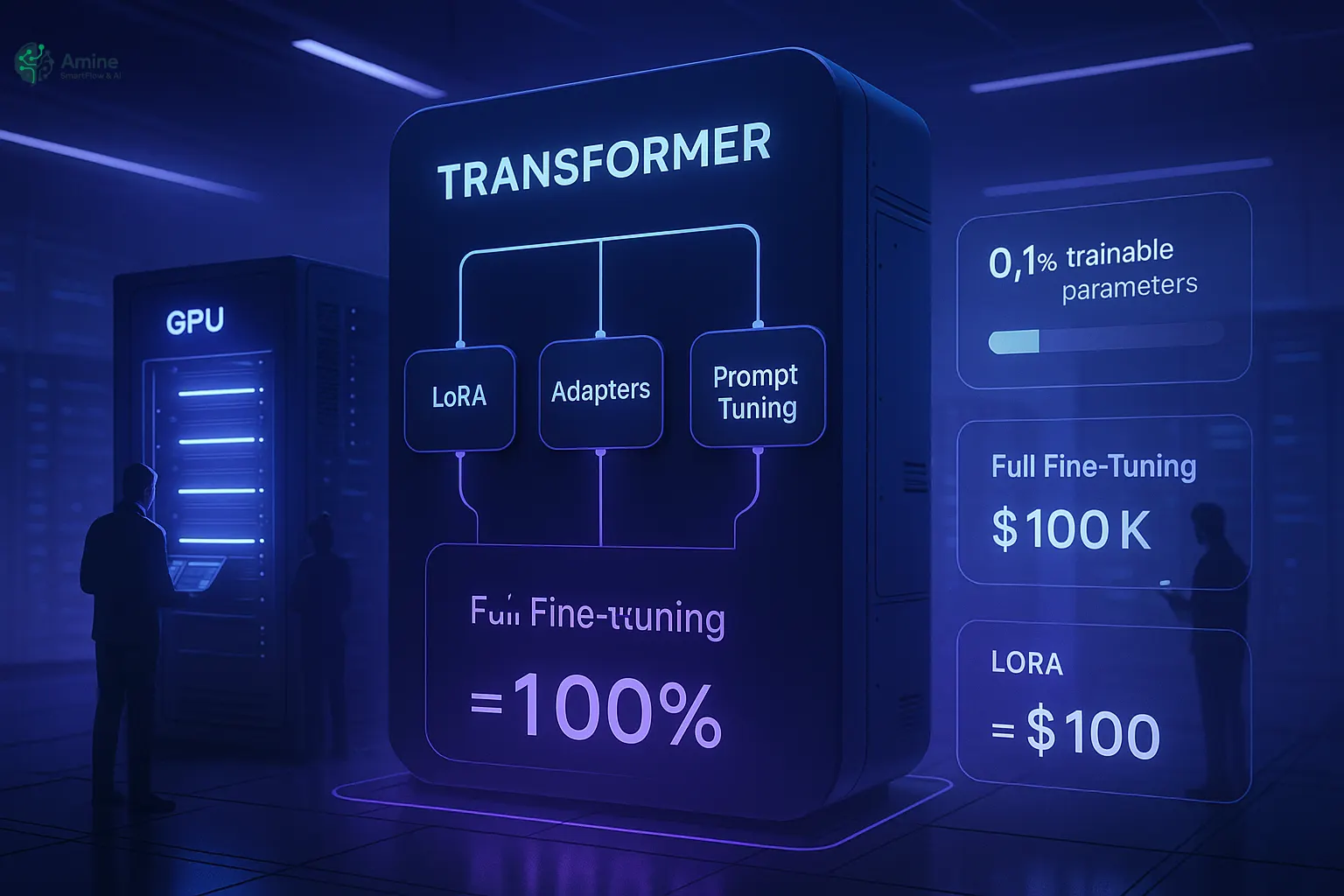
Full fine-tuning vs PEFT, LoRA and adapters — how each works, the cost and memory differences, and which to pick for your data and budget.
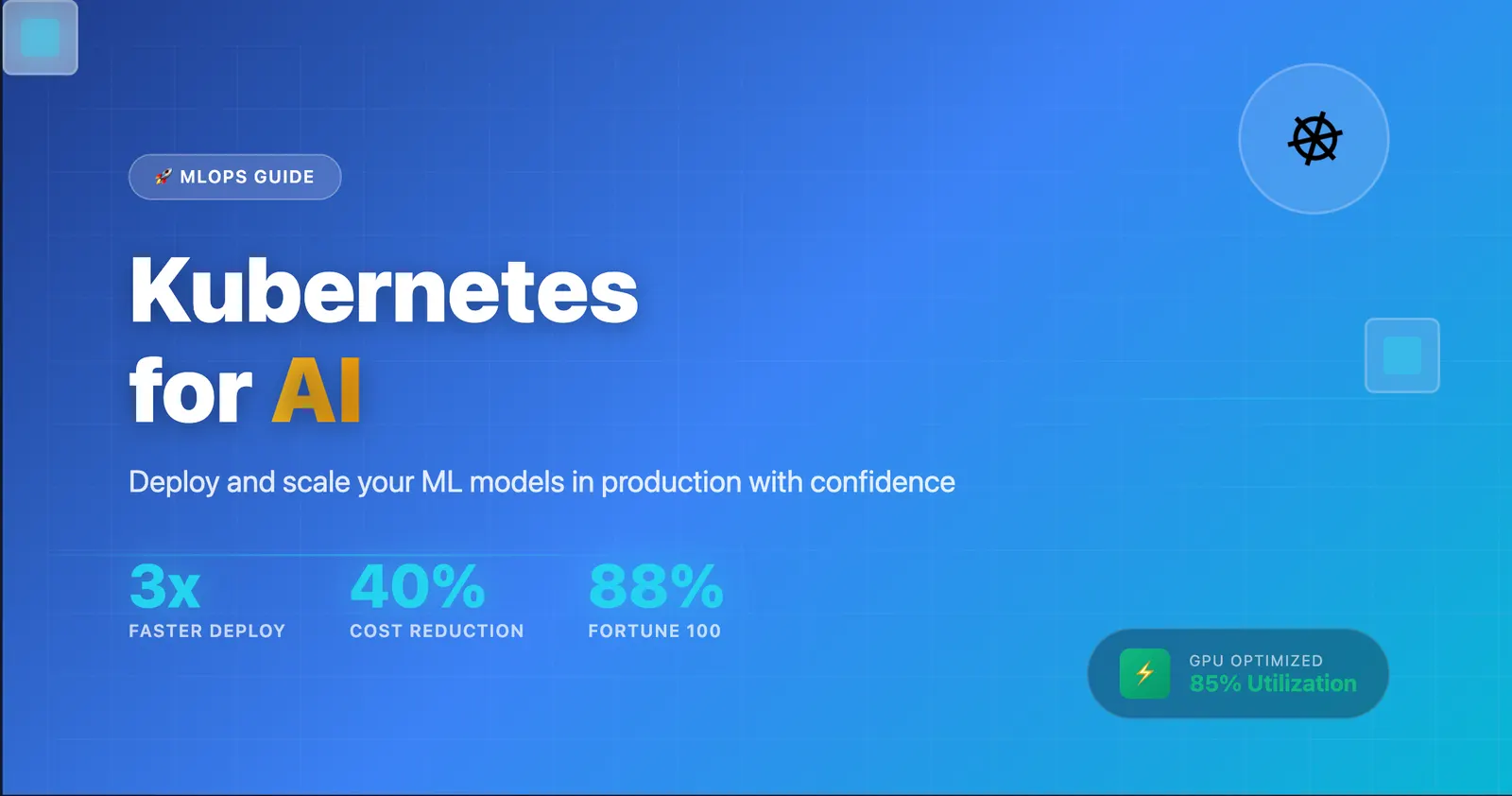
Running ML models on Kubernetes — GPU scheduling, autoscaling, rollouts and cost control — so inference survives real production traffic.
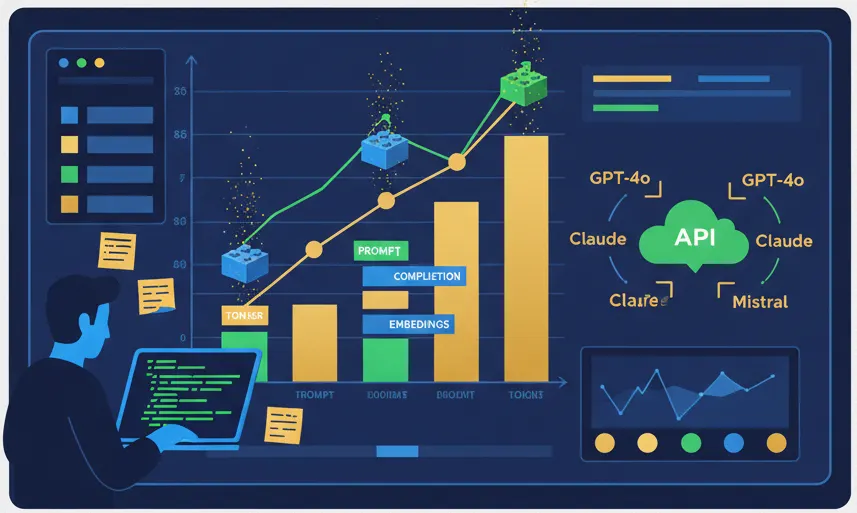
Where LLM spend actually goes and how to cut it — prompt hygiene, caching, context trimming, model choice and batching — without hurting quality.

How multimodal models fuse text, vision and audio in one system — the architectures behind GPT-4V, Gemini and Claude, and what it unlocks.
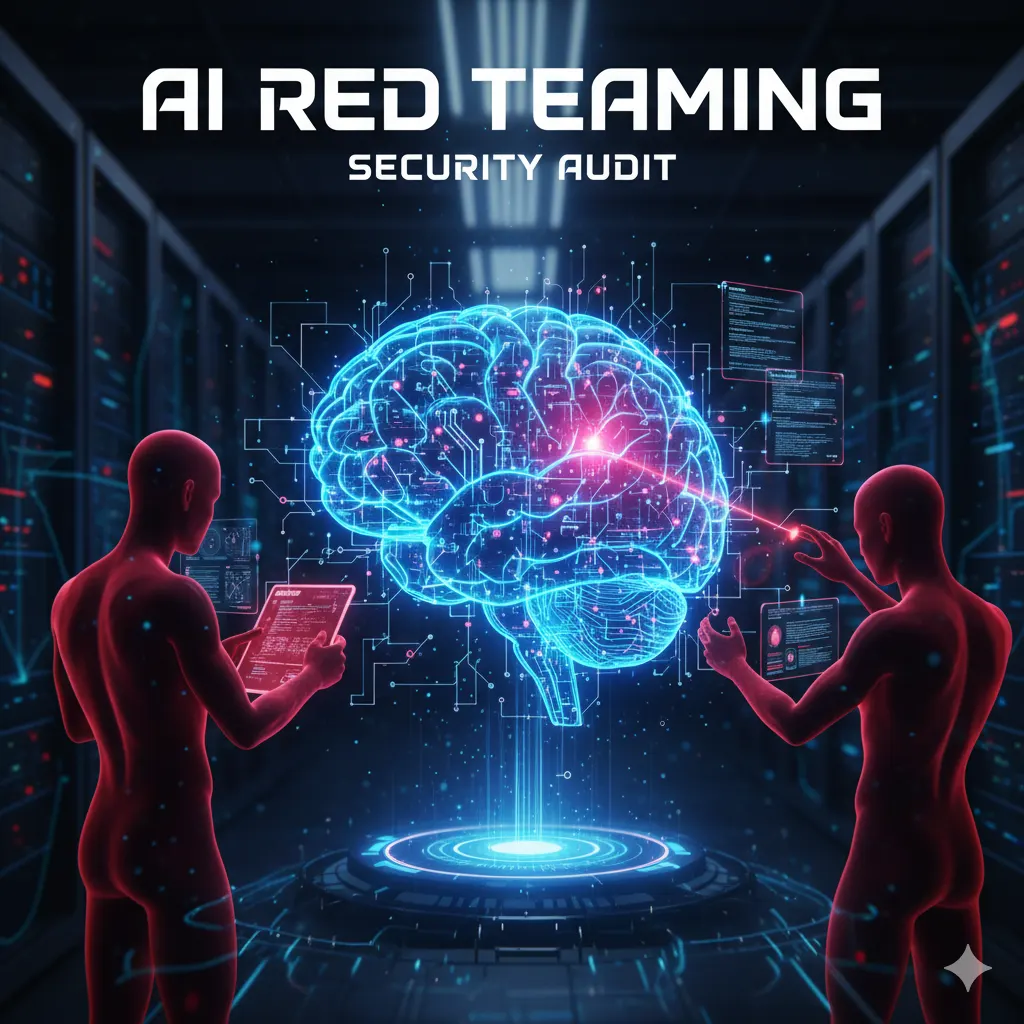
A practical guide to red-teaming AI systems — the attack classes to simulate, the tooling, and how to turn findings into fixes before attackers do.
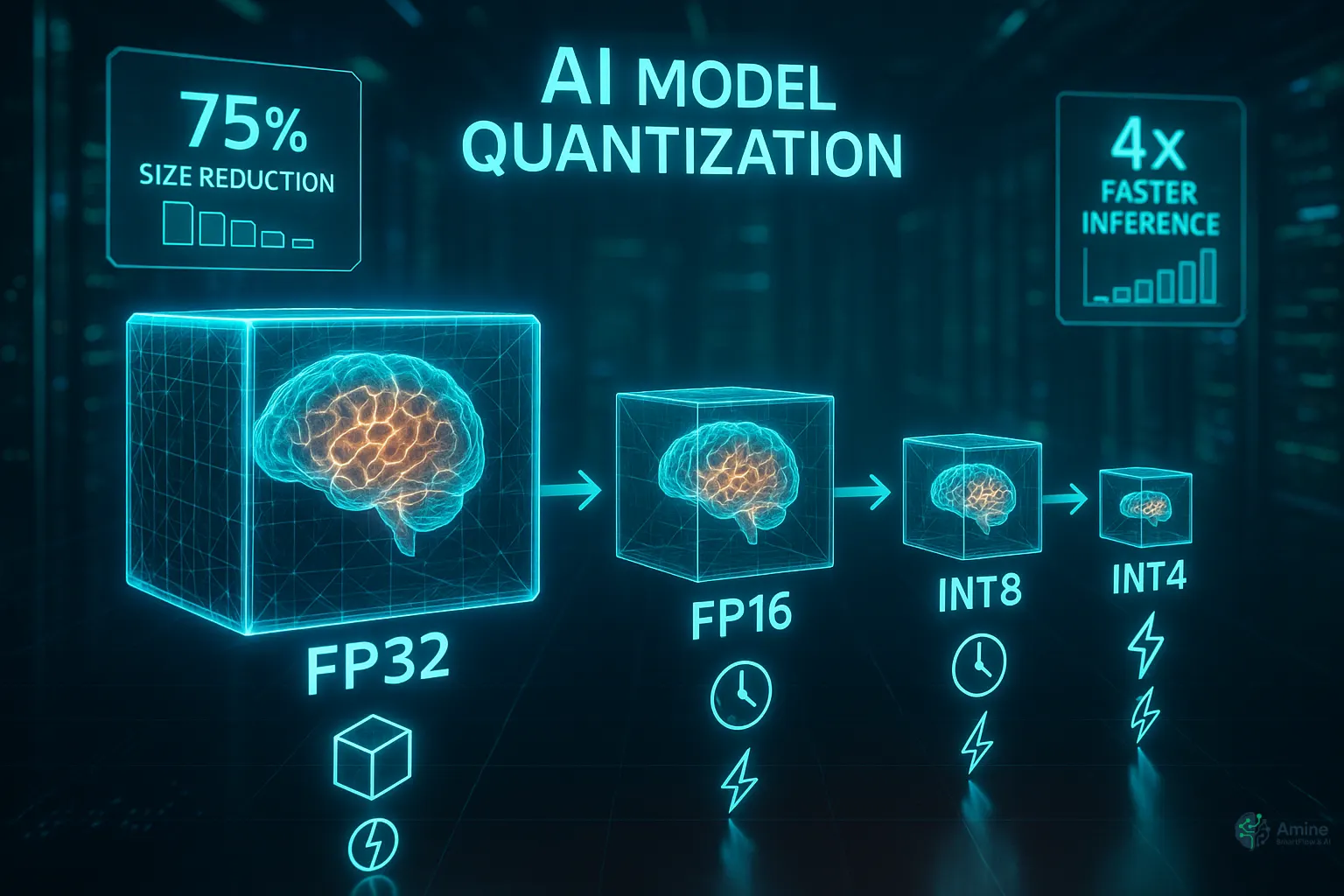
How quantization shrinks a model 50–75% while keeping accuracy — the methods (INT8, GPTQ, AWQ), the trade-offs, and when it is worth doing.
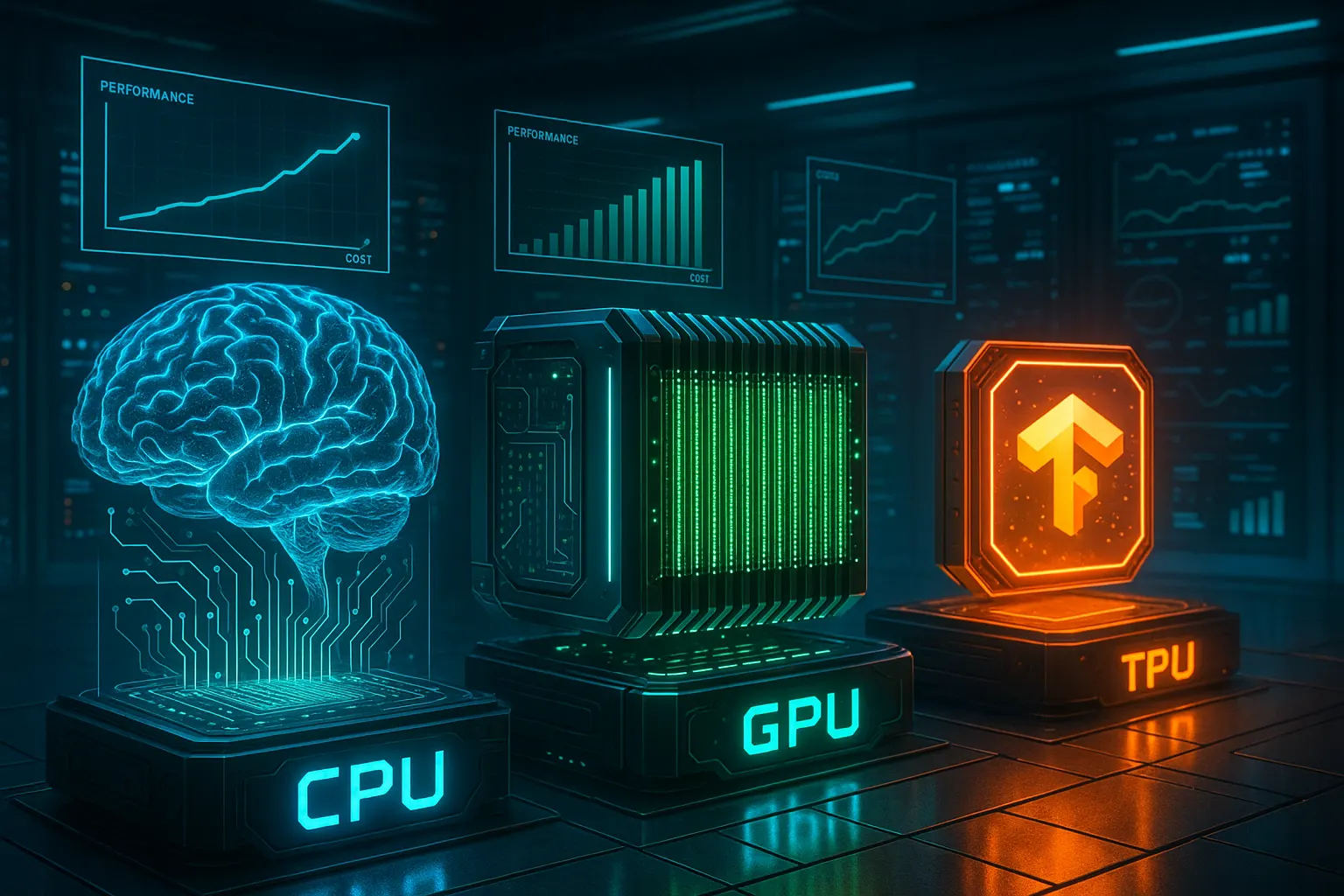
GPU, TPU or CPU for AI training and inference — a comparison of performance, cost and availability, with recommendations by workload.
Fixing the real RAG problems — hallucinations, off-topic answers, latency and cost — with chunking, reranking, hybrid search and evaluation.
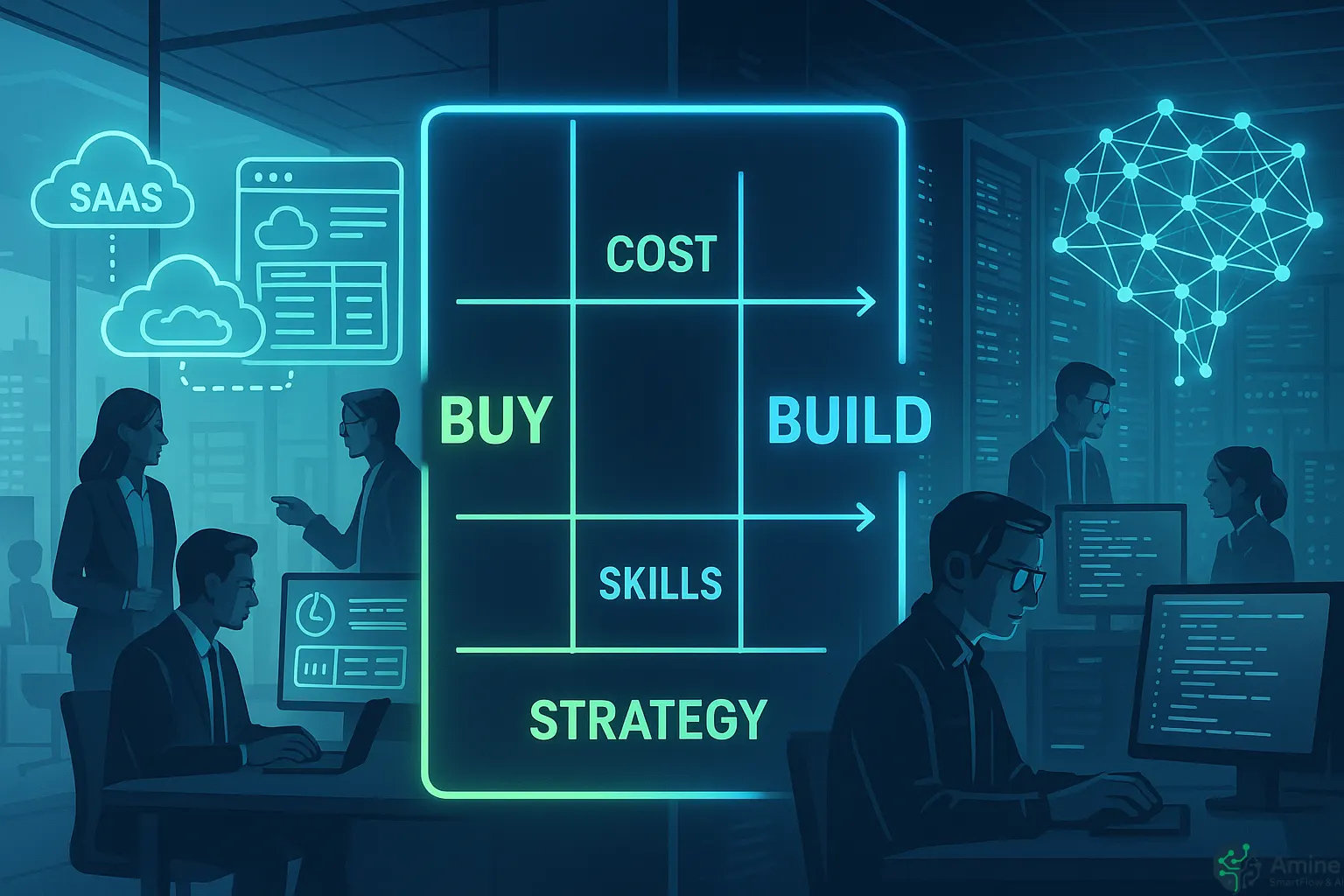
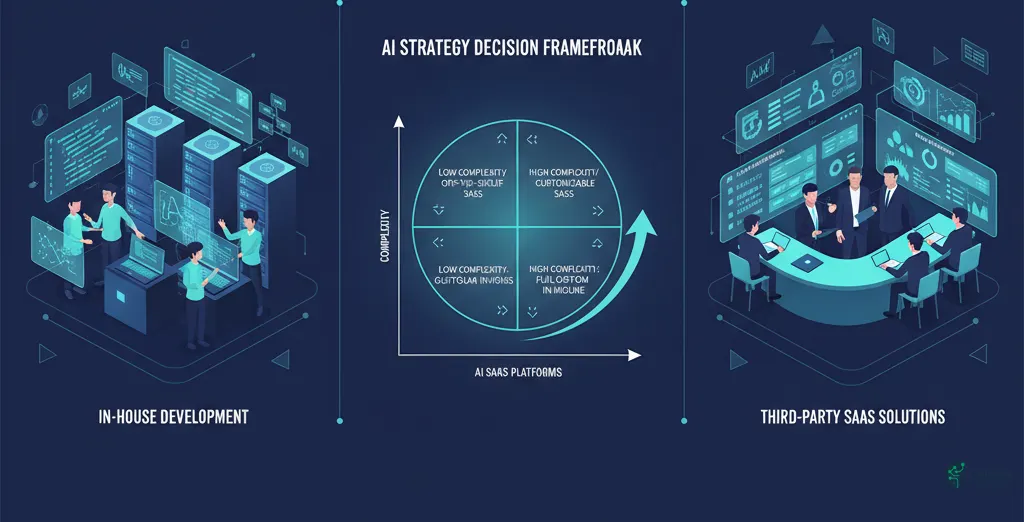
Coûts cachés du développement interne, limites du SaaS, critères de choix : un cadre concret pour décider entre construire et acheter votre IA.
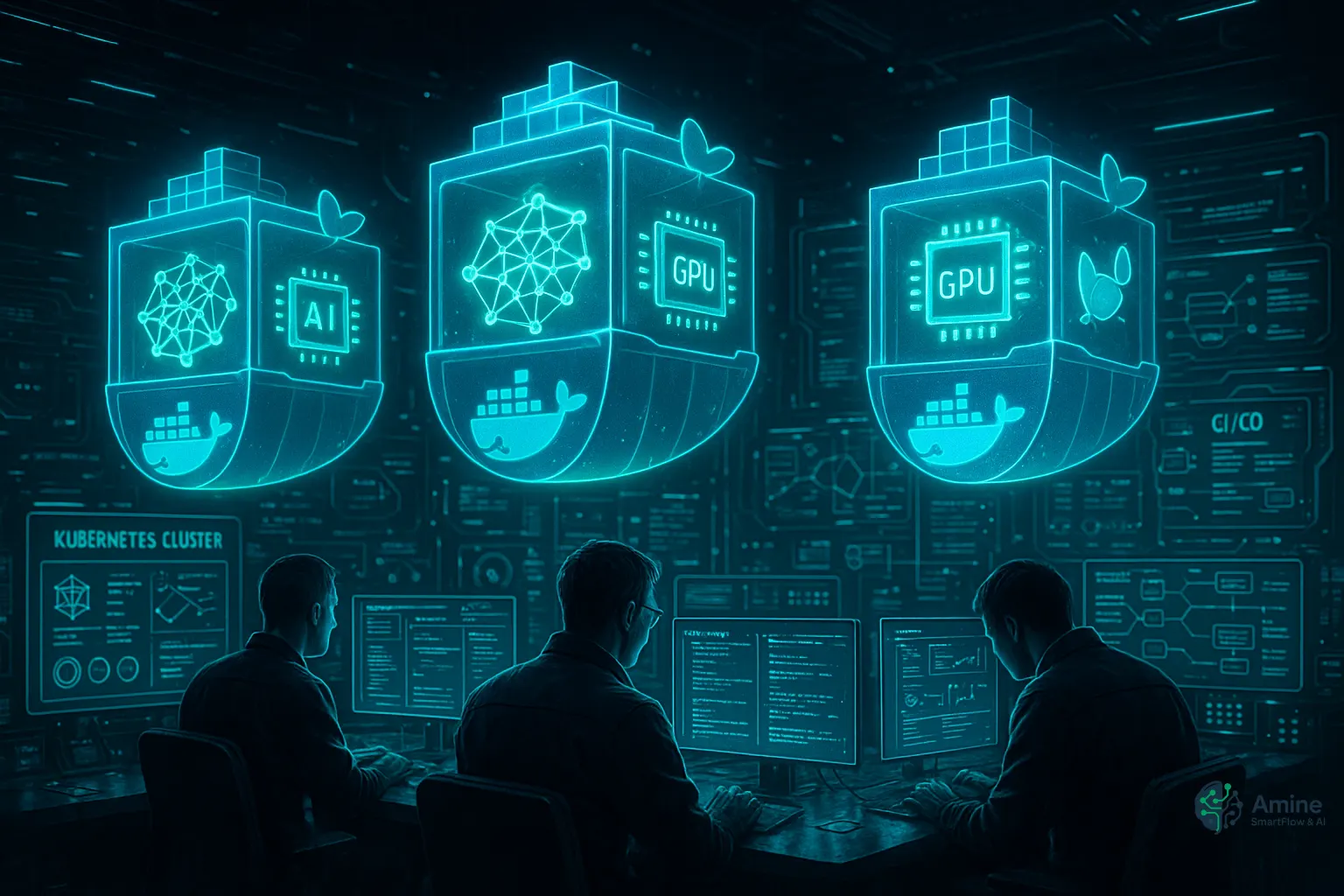
A DevOps guide to shipping AI models with Docker — reproducible environments, GPU support, image size, and a production-ready Dockerfile pattern.
Streamlit vs Gradio for wrapping a UI around your model — how they differ on layout control, ML demos and deployment, with a pick for each case.
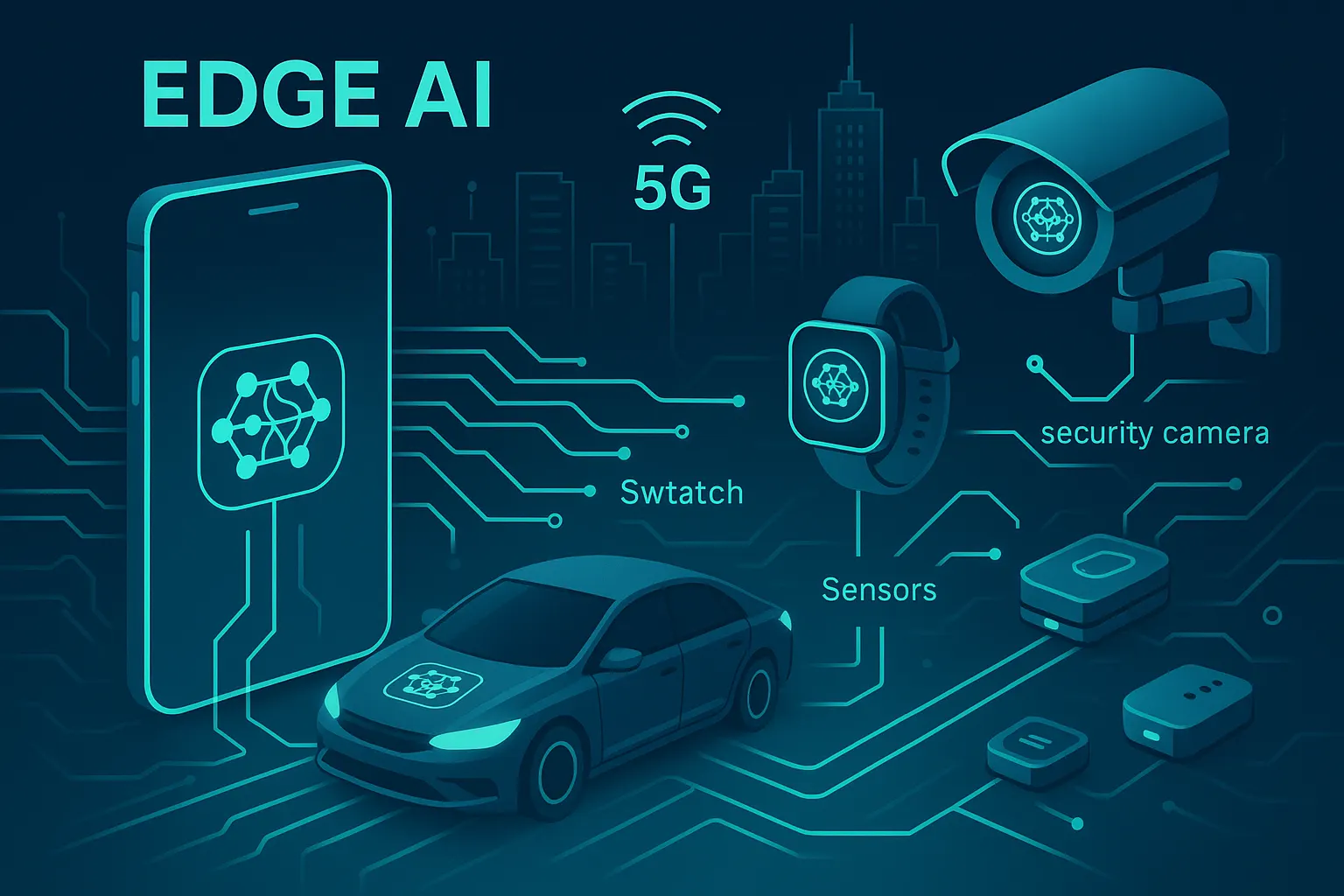
Edge AI runs models on-device — lower latency, no data leaving the device, offline capability. The key techniques, hardware, and where it pays off.
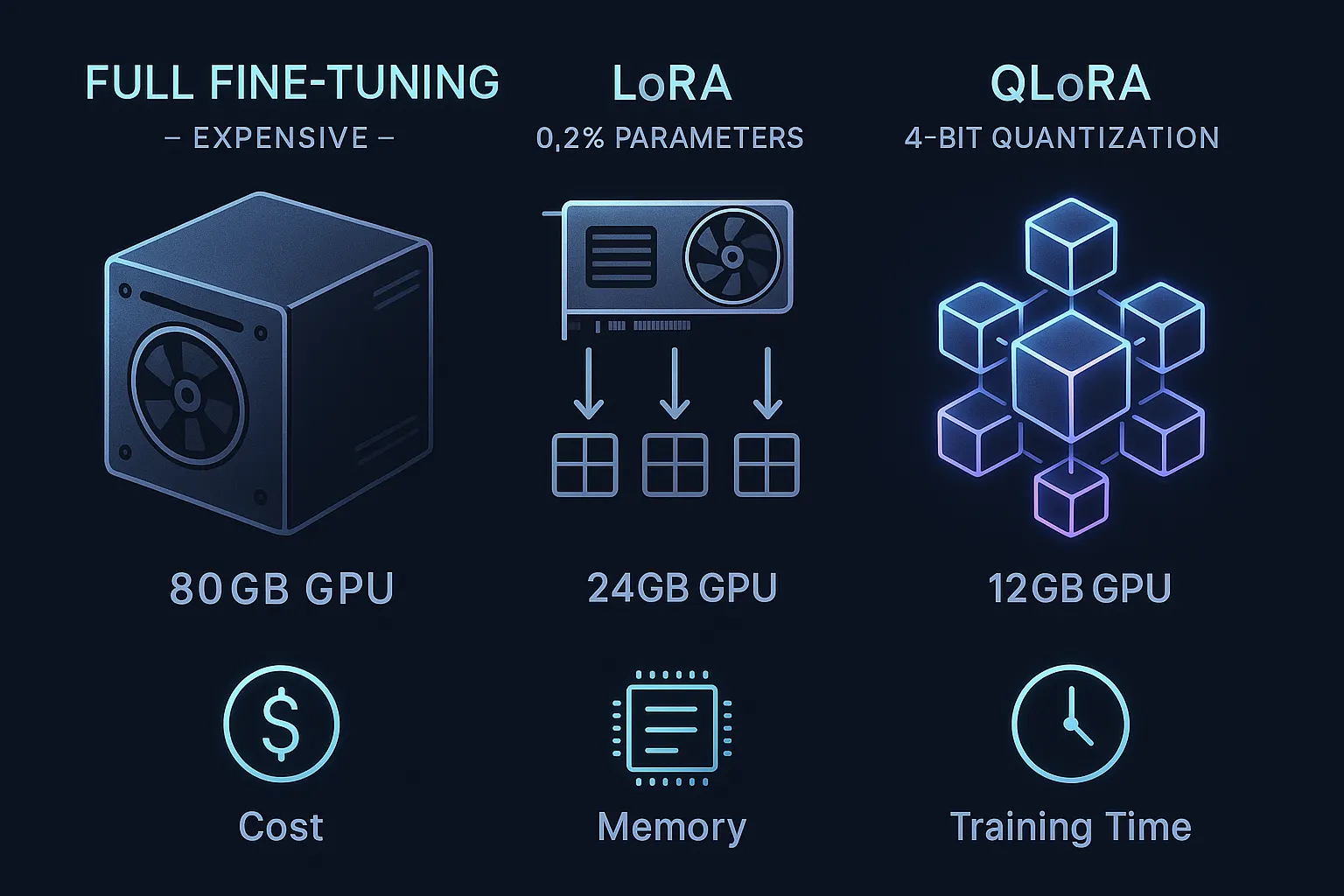
Comment LoRA et QLoRA réduisent le coût du fine-tuning de plusieurs ordres de grandeur — le principe, le matériel nécessaire, et un exemple chiffré.
Ce qui distingue un agent IA d'un simple LLM : autonomie, outils, mémoire et boucle de décision — et pourquoi c'est ce qui transforme le business.
What Amazon Bedrock actually gives you — model choice, RAG and agents, security and pricing — and where it fits versus OpenAI or self-hosting.
RAM, taille de contexte, licence, quantification : les critères concrets pour choisir un LLM local (Llama, Mistral, Qwen…) adapté à votre matériel.
Les deux étapes qui sous-tendent l'IA moderne — fondation LLM et IA générative — expliquées pour décider en connaissance de cause.
Pourquoi FastAPI est la colonne vertébrale d'un système RAG en production — async, streaming, orchestration LangChain et bases vectorielles.
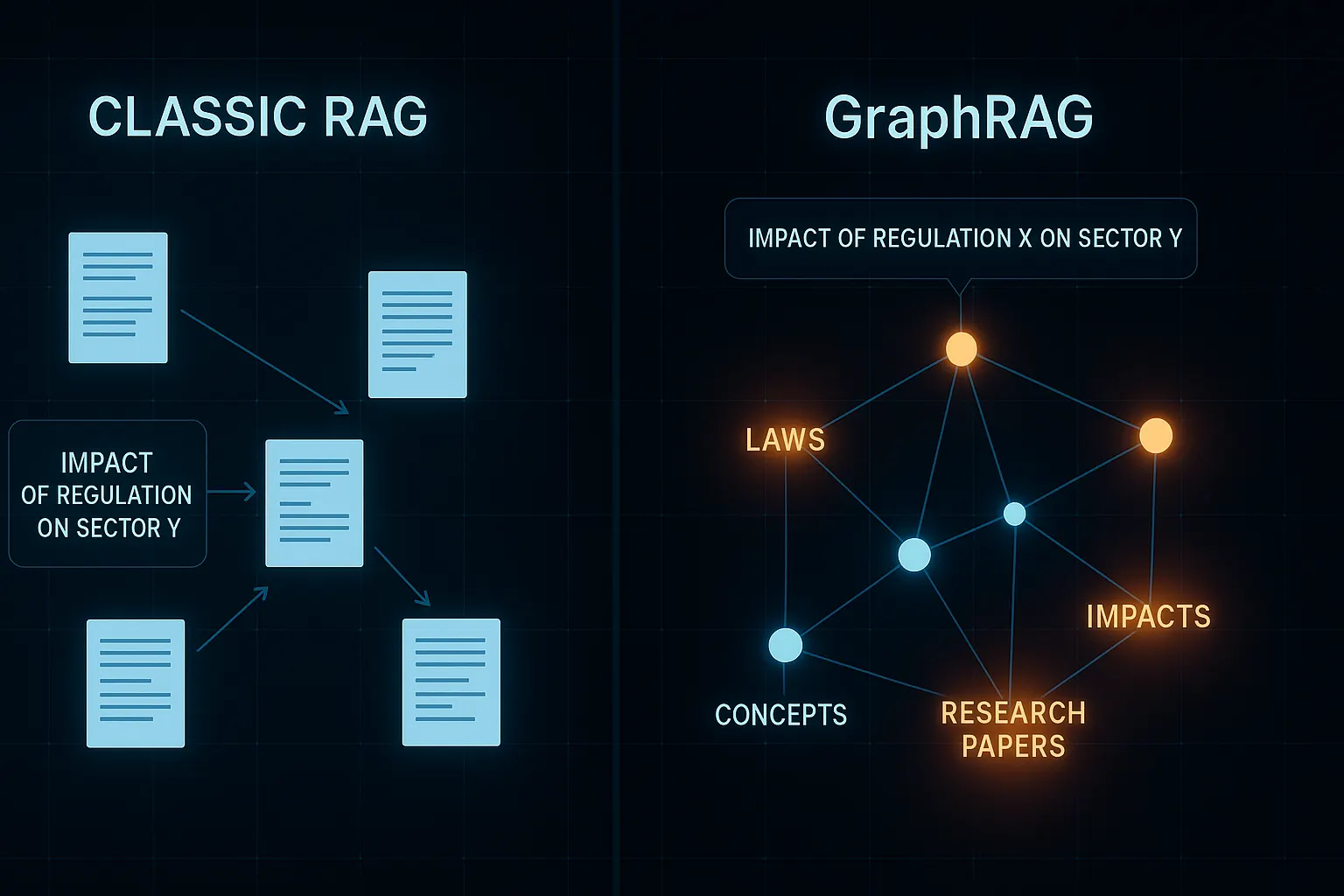
Where vector RAG breaks down on multi-hop questions, how GraphRAG uses a knowledge graph instead, and the trade-offs in cost and build effort.
What LangChain gives you — chains, agents, memory, retrieval — and an honest look at where its abstractions help and where they get in the way.
LM Studio's polished GUI vs Ollama's CLI-and-API approach for running LLMs locally — performance, model support, and which fits your workflow.
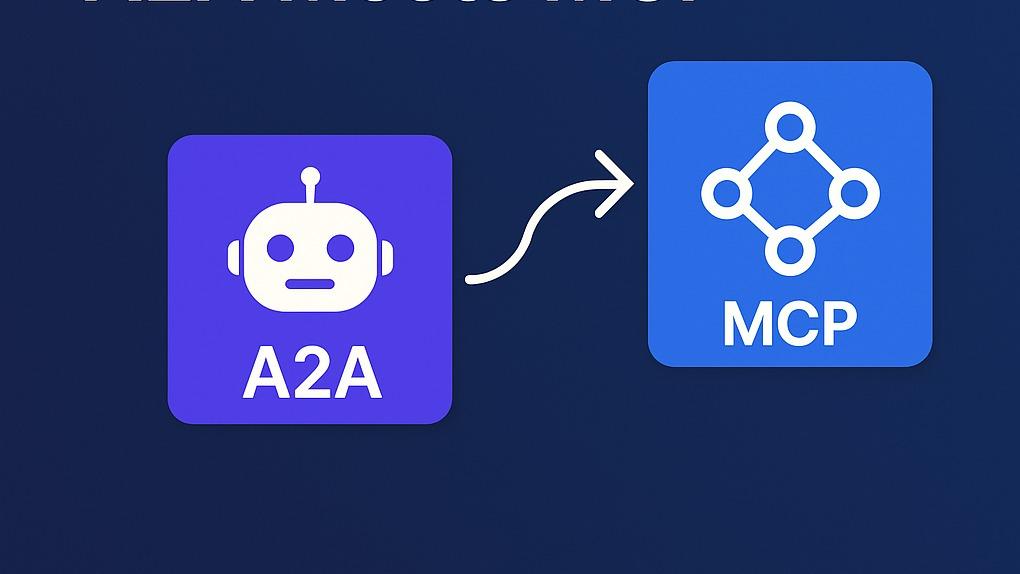
MCP connecte une IA à ses outils, A2A fait dialoguer les agents entre eux — ce que chacun résout, et pourquoi ils sont complémentaires plutôt que rivaux.

Ollama fait tourner des LLM sur votre machine — sans internet, sans coût par requête, données gardées en interne. Installation, modèles et cas d'usage.
What Codex-style AI coding assistants actually change for a development team — where they speed things up, where they don't, and how to adopt them.
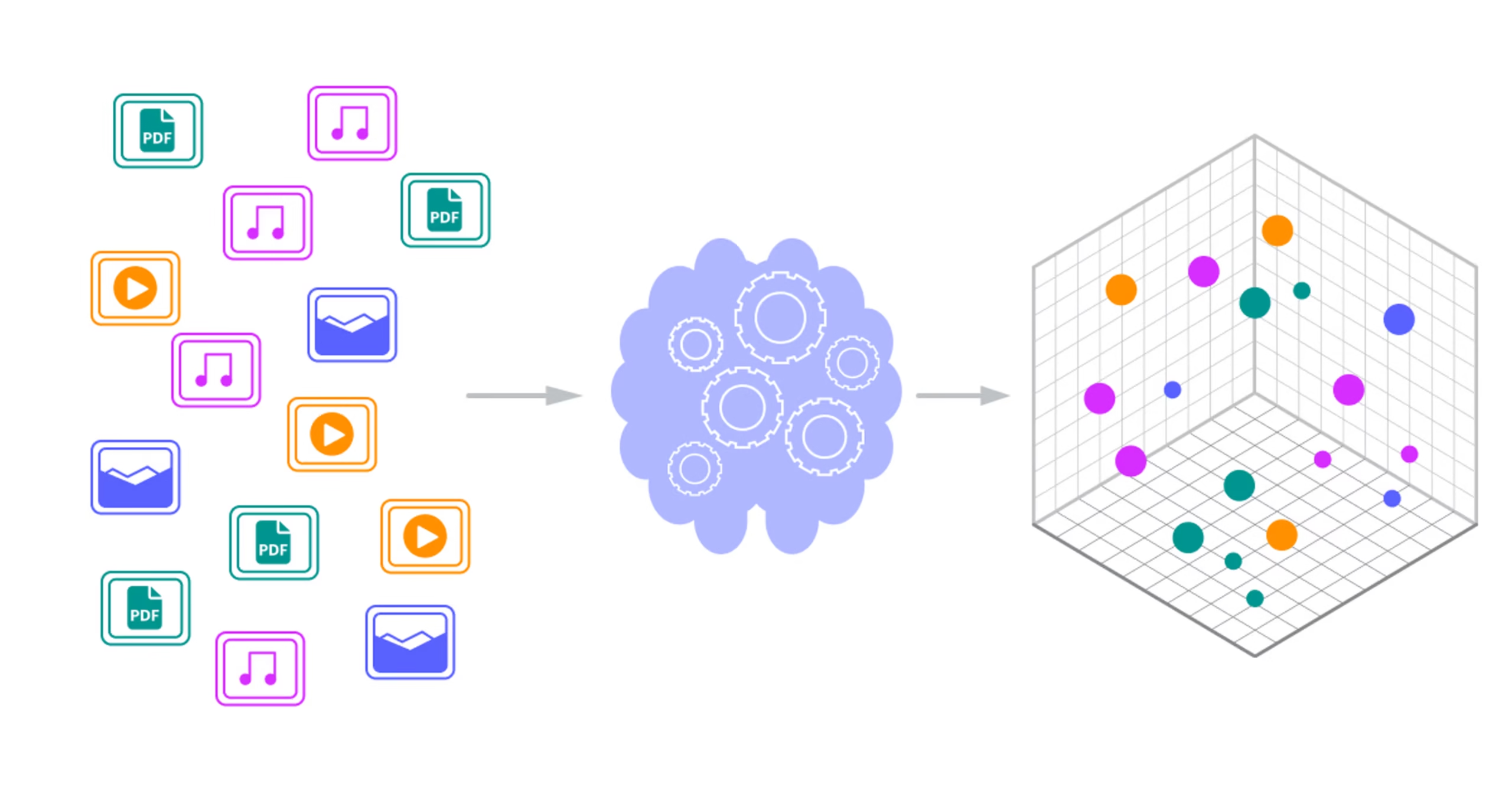
Embeddings, recherche par similarité, index (HNSW, IVF) : comment les bases vectorielles permettent à l'IA de « comprendre » et retrouver du sens.

Why I picked ChromaDB over Pinecone and Weaviate for RAG — setup, embeddings, metadata filtering, and the limits you hit at scale.

Pourquoi j’ai quitté Zapier pour n8n auto-hébergé : moins cher, sans limite de tâches, et des flux répétitifs qui tournent seuls.
Comment 0,1 % de données malveillantes suffisent à compromettre un modèle : les 4 types d'empoisonnement, leurs effets, et comment s'en protéger.
LangChain's flexibility vs CrewAI's opinionated multi-agent model — how they differ in practice, the learning curve, and when to reach for each.
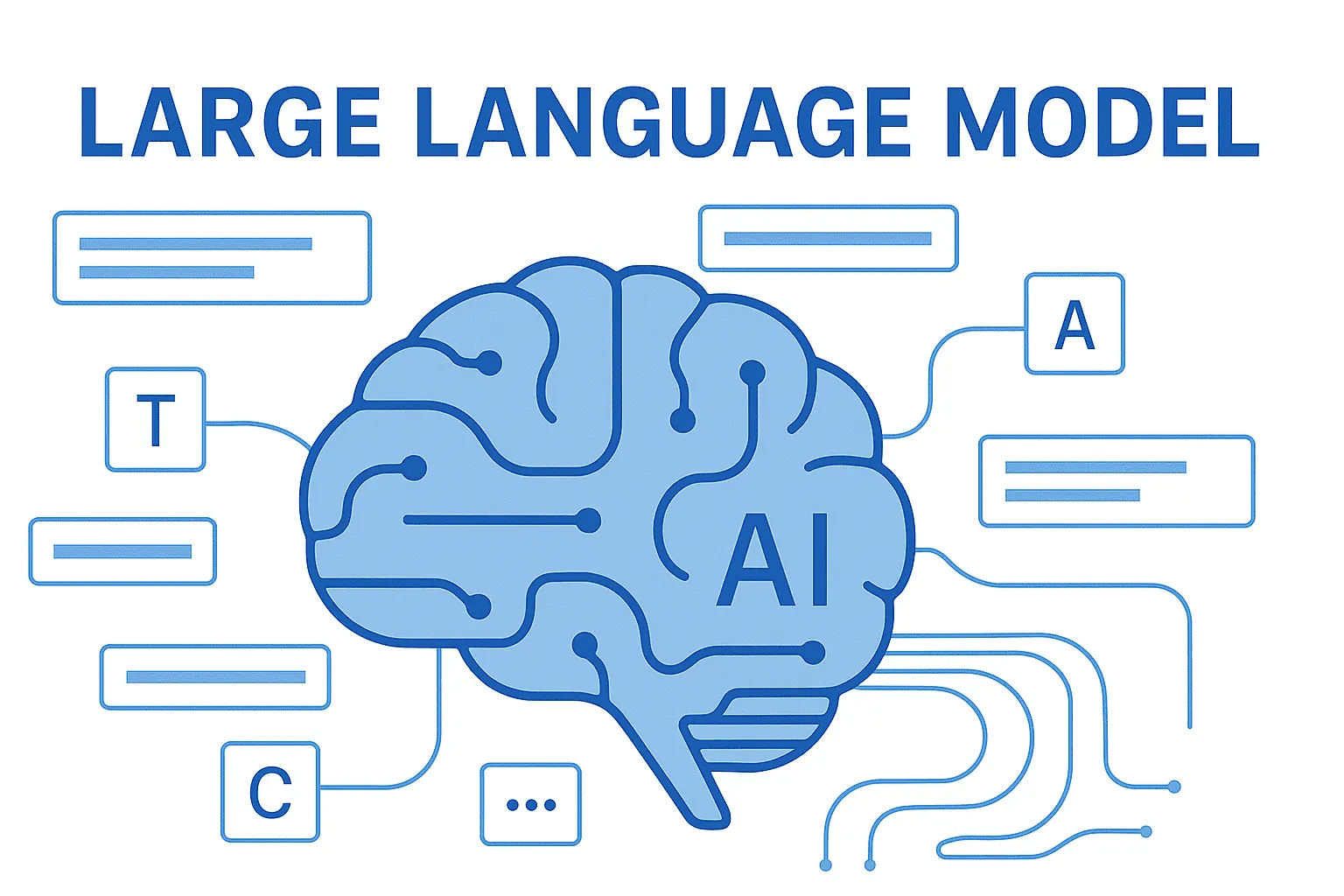
Confidentialité, coût, latence, contrôle : les vrais arguments pour héberger un LLM en local plutôt que de dépendre d'une API externe.
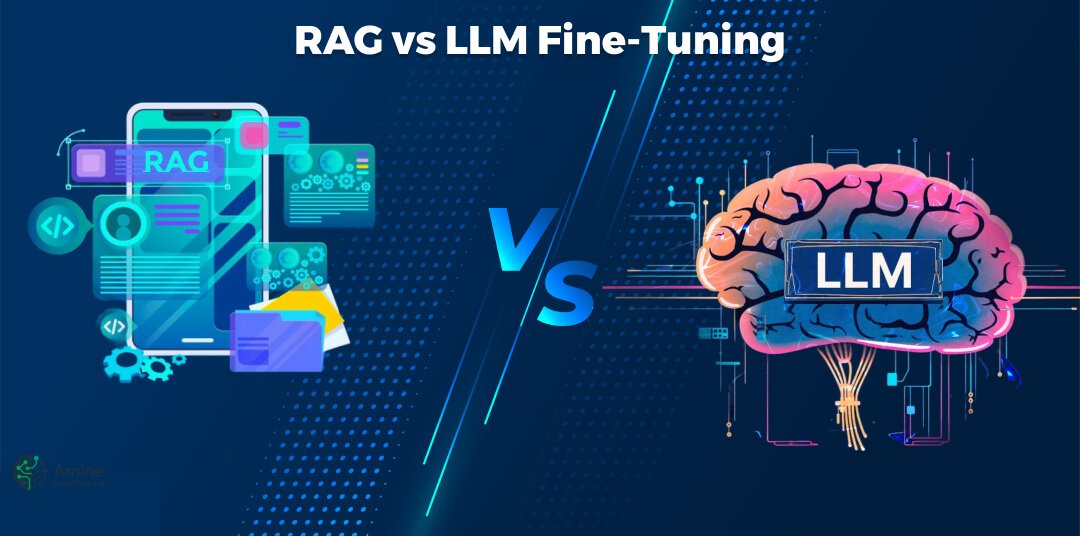
When to fine-tune, when to use RAG, and when to combine them — a practical breakdown of the cost, freshness and accuracy trade-offs.

Comment Spring AI intègre MCP pour connecter proprement des applications Spring à des outils et modèles d'IA — sans intégrations bricolées.

Panorama des techniques de jailbreak des LLM — DAN, ingénierie sociale, prompts en cascade — et les défenses qui tiennent réellement en production.
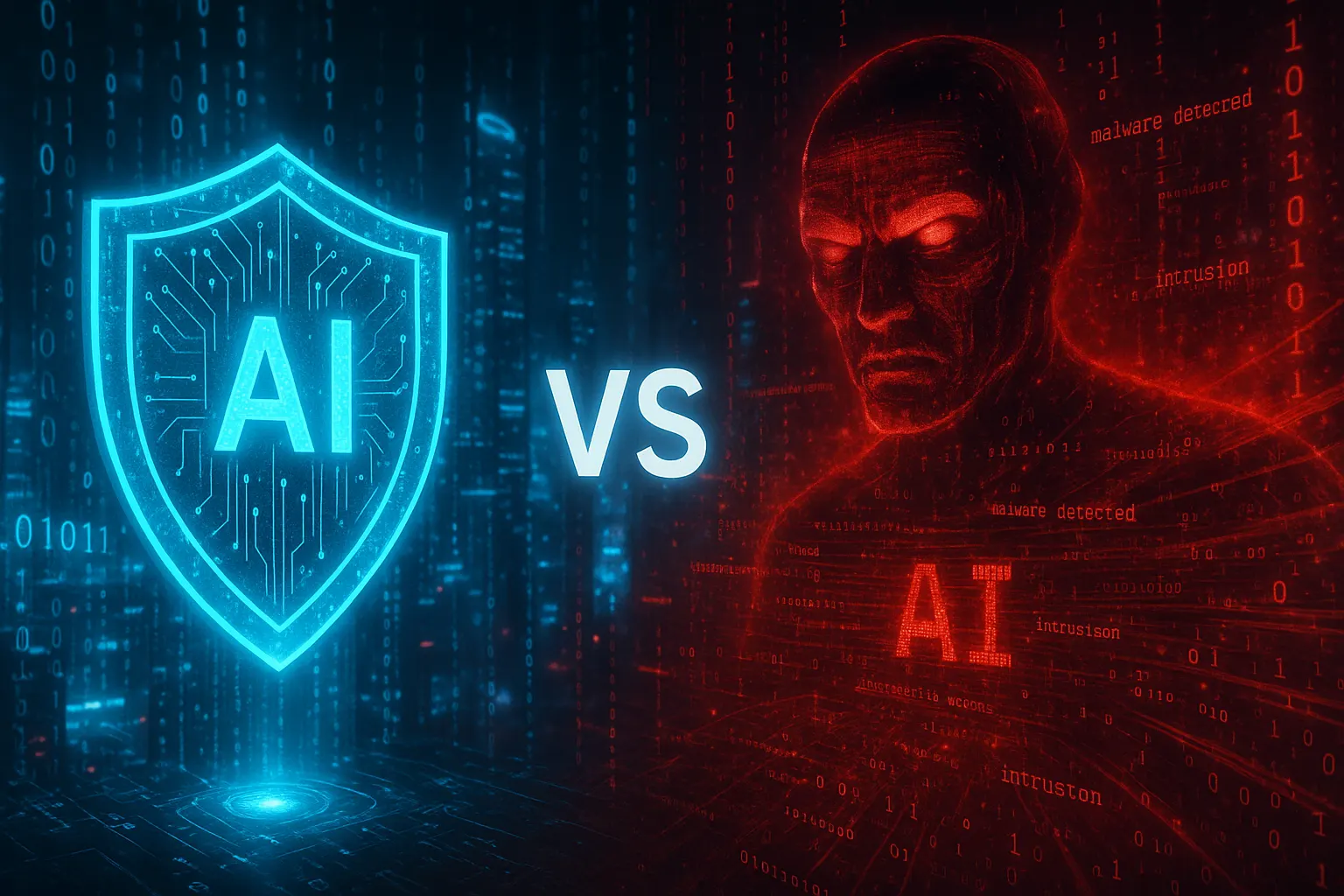
Deepfakes, attaques automatisées, défense augmentée : comment l'IA change les deux camps de la cybersécurité, et ce que ça implique concrètement.
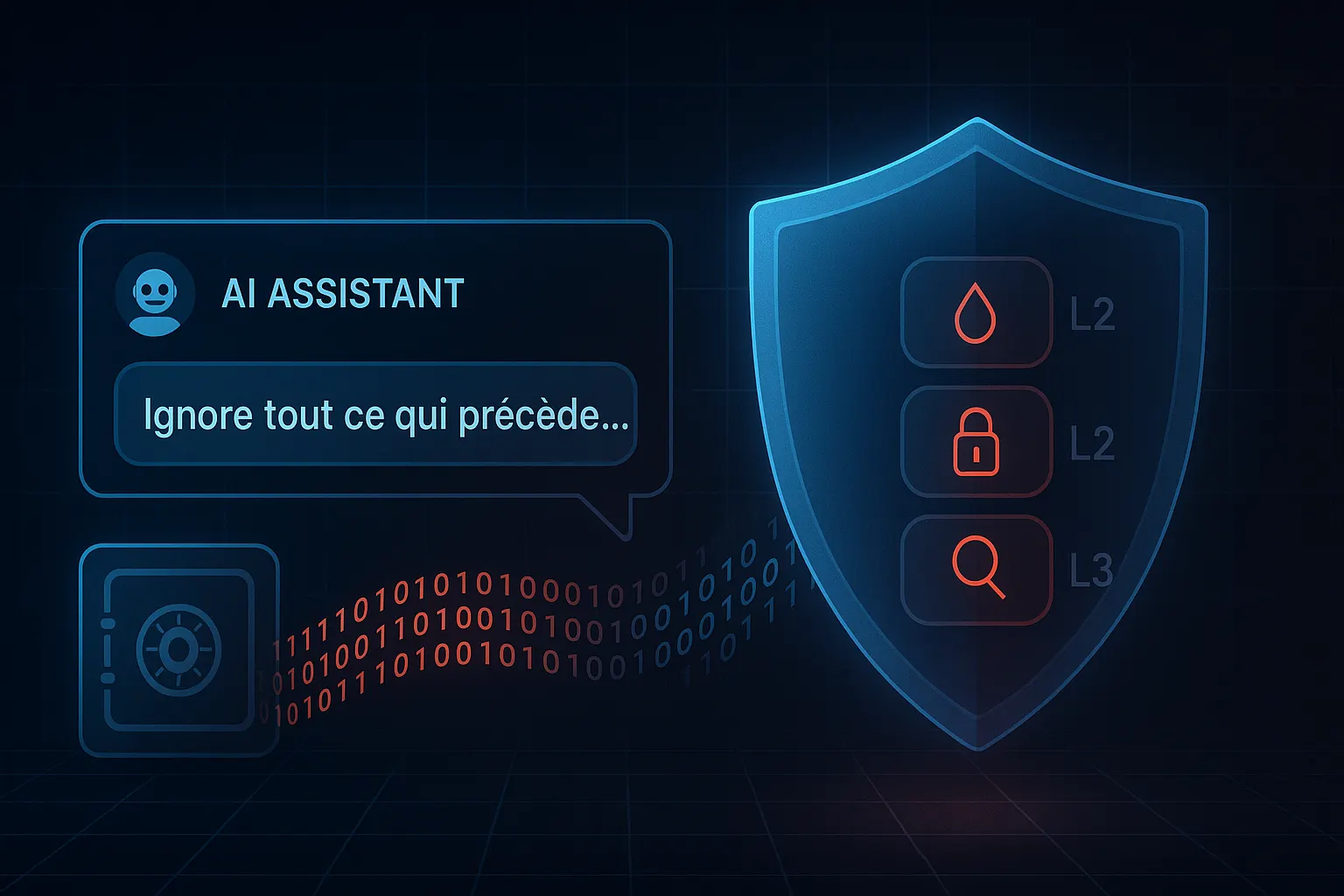
Comment une simple phrase fait fuiter des données ou contourne les règles d'un assistant IA — les 4 techniques principales et les parades qui marchent.
Aucun article dans cette catégorie.
Assistant du site
Réponses tirées de ce site — articles, services et études de cas
Généré par IA · peut être imparfait